From Groovy
to The Threads
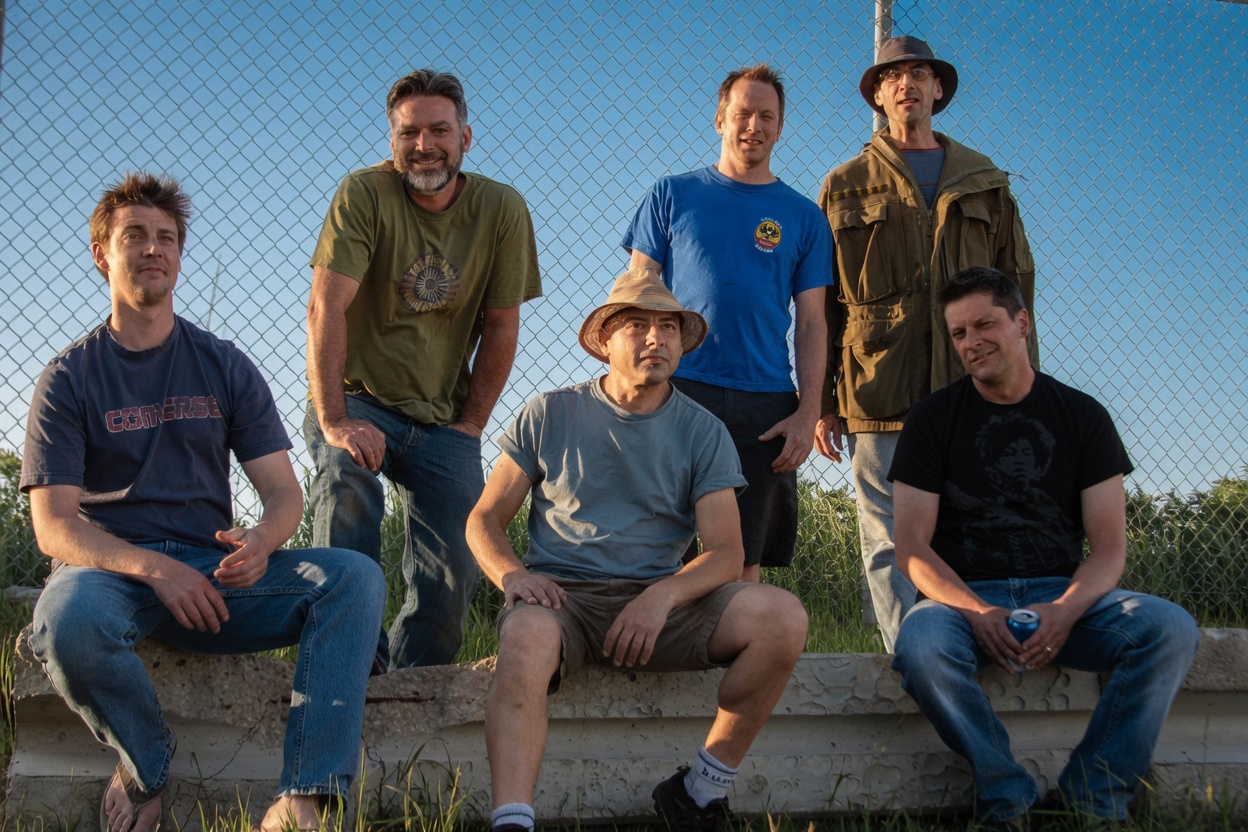
Every great band has an embarrassing first chapter, and The Threads are no different. It started in an Edmonton high school, the way most things worth remembering do: a few friends, too much free time, a shared obsession with records, and the audacious belief that they could actually do this themselves. They called themselves The Groovy Threads.
The name was intentionally absurd — a wink at the bell-bottomed, fuzz-pedal psychedelia the founding members were devouring at the time. Classic rock. Motown. The kind of music your parents played on Saturday mornings that you pretended to hate until you secretly didn't. The Groovy Threads played school gyms, basement parties, and the occasional rec centre gig with the fearlessness that only teenagers who don't yet know what failure feels like can manage. No technique. All heart. Embarrassingly loud. Completely alive.
"The Groovy Threads were terrible in the best possible way. We had no idea what we were doing, and that was somehow the point."
— The Threads
The Evolution
As the years passed and the members grew up — finished school, got jobs, started families, moved apartments, kept playing — the band quietly shed its skin. The Groovy got dropped. Not overnight, not with any grand announcement, but gradually, naturally, the way most important things change. The music had grown up too. The playful psychedelia of the high school years had given way to something tighter, more angular, more honest. Something that didn't need a qualifier in front of the name.
The Threads. Two words. No frills. The name that remained when everything unnecessary had been stripped away — which is, it turns out, exactly what the music sounds like. Edmonton had shaped them. Life had sharpened them. And now they had a band that matched the people they'd actually become rather than the teenagers they'd once been.
The Name, Then and Now
The word threads was always there, hiding in plain sight inside the original name. In its teenage incarnation, it was a gag — threads as in clothes, as in the groovy, wide-lapelled gear the founding members thought was hilarious to reference. But stripped of the adjective, the name revealed something richer. Threads as connection — the invisible sinews that hold a song together, that bind a band across decades of playing together, that link an Edmonton suburb to a wheat field stage to a cramped club at 1am on a Tuesday. Everything is connected. Always was.
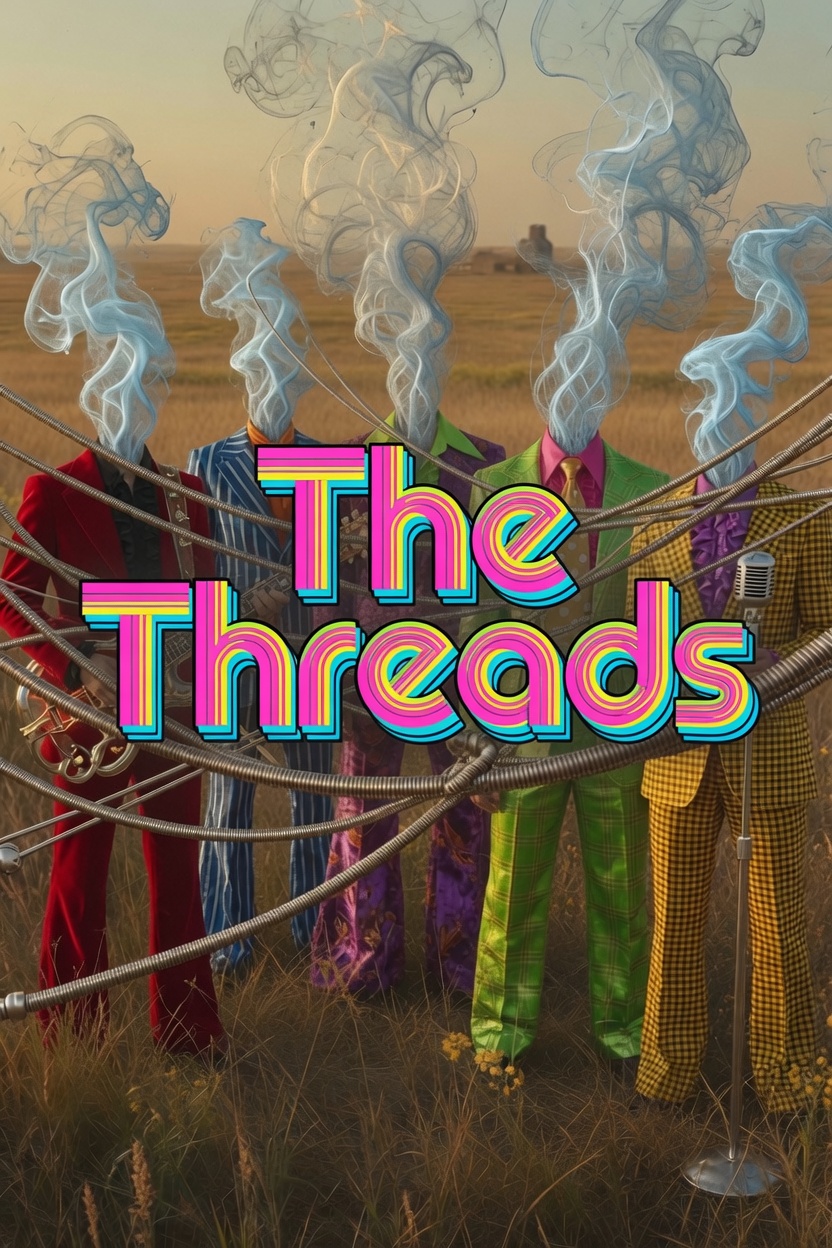
And the sartorial swagger never quite left either. Anyone who's seen The Threads live will tell you the band still has a healthy relationship with a bold suit. Some things from high school are worth keeping.
Into the Underground
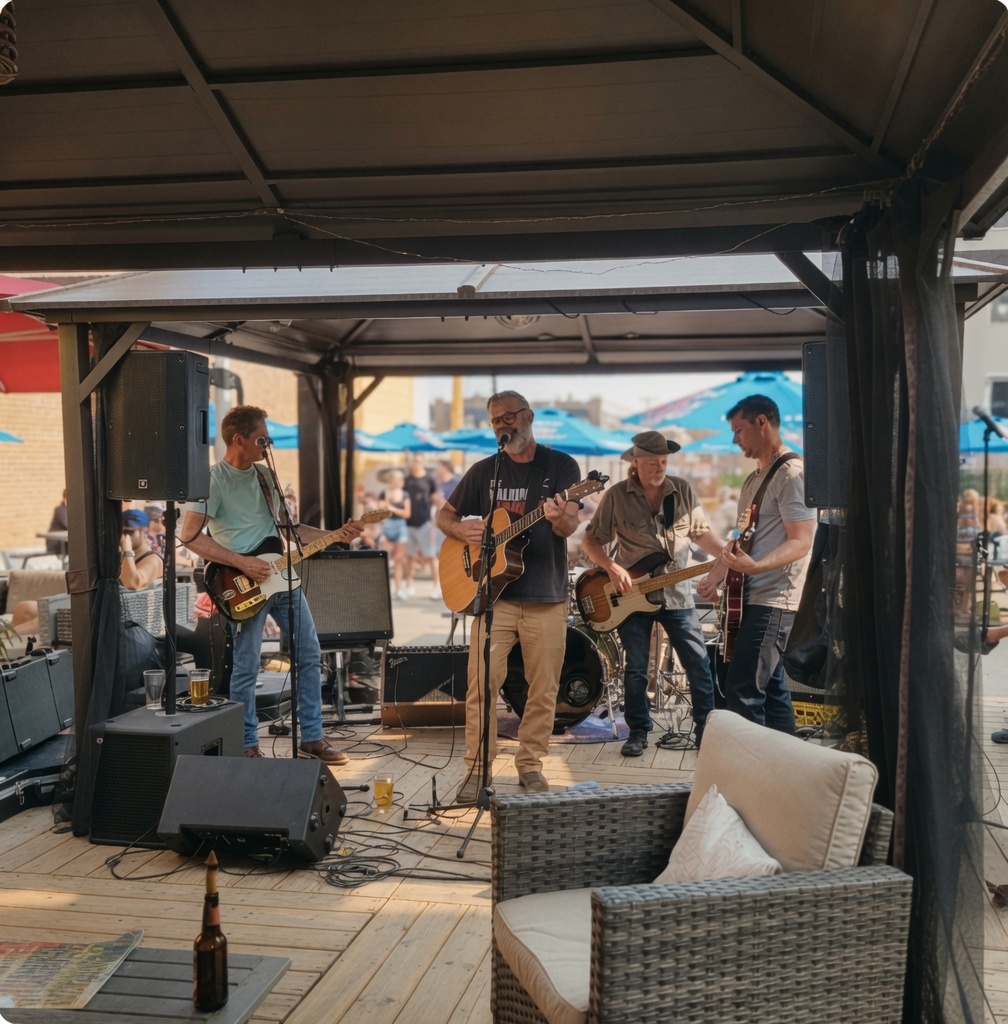
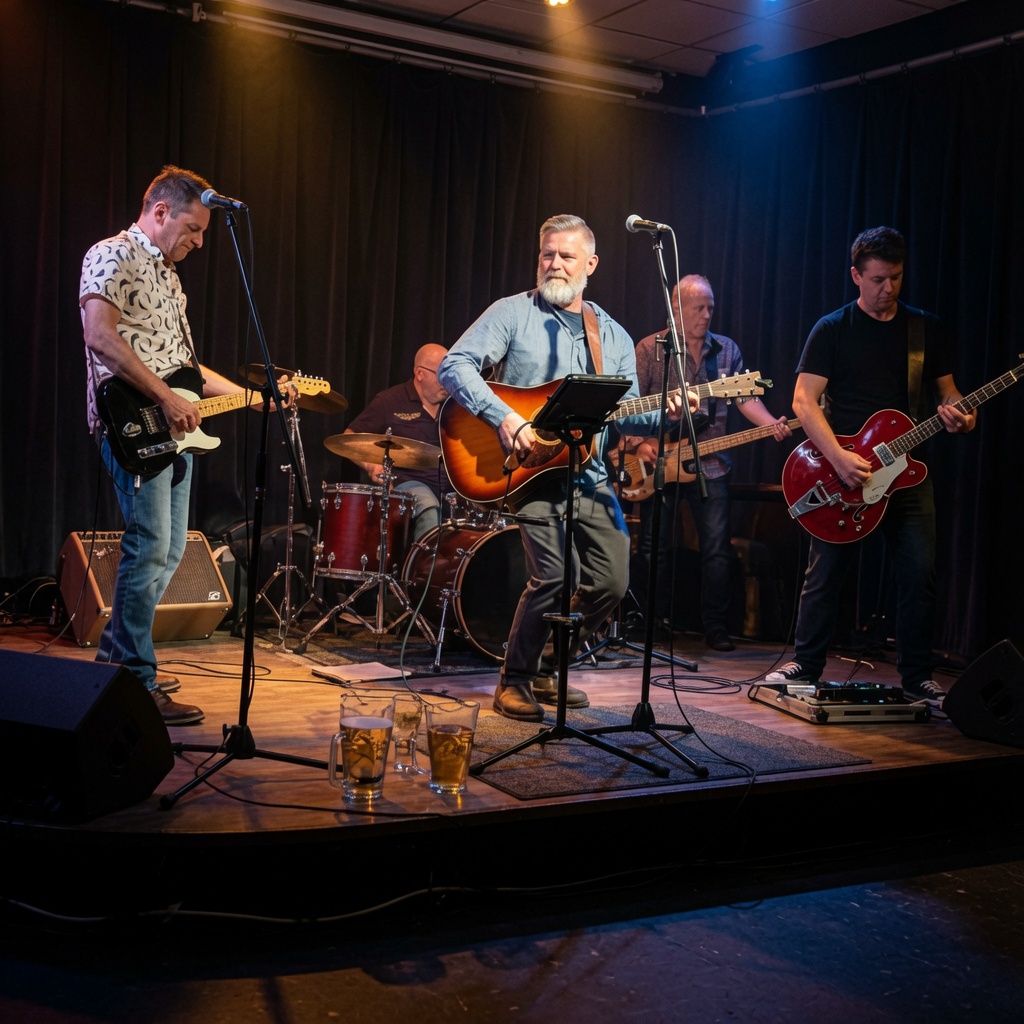
Reborn as The Threads, the band spent years sharpening their live show in Edmonton's underground — cramped clubs, late nights, and the kind of audiences that can smell a bluff from across the room. There's no faking it in front of a skeptical Edmonton crowd, and The Threads never tried to. What you get is what they are: raw, precise, and relentlessly themselves. The Groovy Threads had played for fun. The Threads played because they had to.
The Sound
Imagine the tight, angular riff-work of early Arctic Monkeys filtered through the melodic ambition of the Tragically Hip, with a restless energy that never fully settles into any single genre. The Threads play indie rock — but they play it with the intensity of a band that has something to prove, and the craftsmanship of musicians who've been at it since high school talent shows and never really stopped.
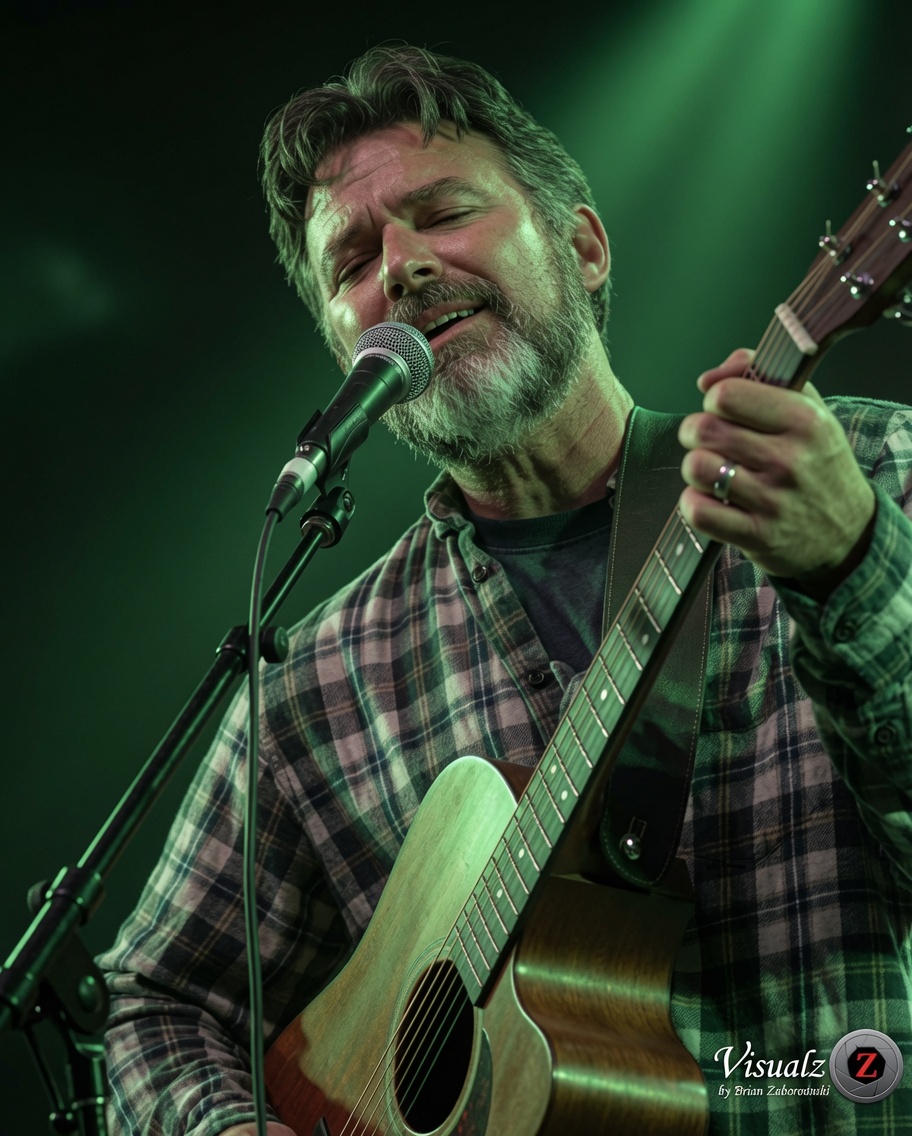
Guitar lines that jangle and shred in equal measure. A rhythm section that locks in like a vice grip. Vocals that alternate between a cool drawl and a full-throated roar. Shinny and Deke, their 2010 debut, distils all of this into 10 tracks that range from stripped-back introspective bruisers to full-band wall-of-sound anthems — sometimes within the same song.
The Look
You'll know The Threads when you see them. Their visual identity is as distinctive as their sound: high-saturation vintage suits — bold plaids, rich jewel tones, baroque florals — worn with the confidence of people who have absolutely nothing to prove and everything to say. On stage, they look like they've stepped out of a 1970s fever dream transplanted to the Canadian Prairies. Surreal, vivid, unforgettable. A ghost of The Groovy Threads lives in every loud jacket.
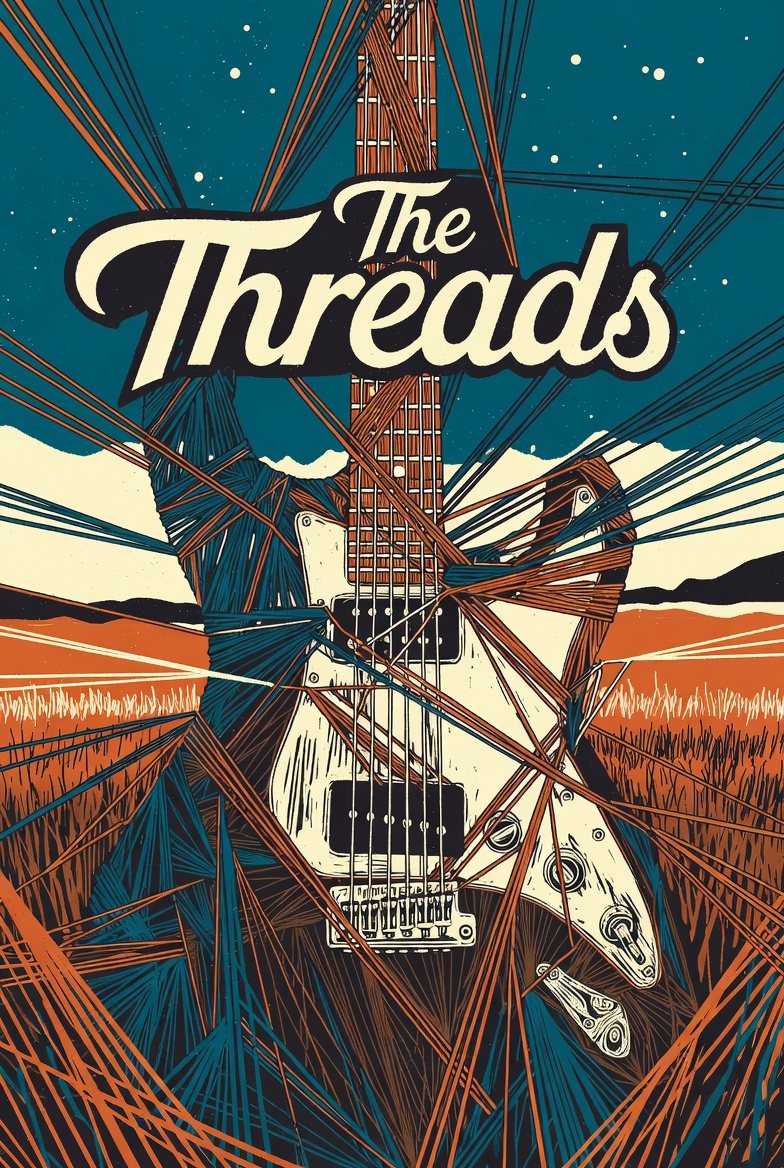
The imagery they've built around the band leans into the surreal: headless figures standing in golden wheat fields, smoke rising where faces should be, guitar strings tangled like barbed wire across the horizon. It's prairie Gothic filtered through a kaleidoscope — deeply rooted in Alberta's landscape while refusing every cliché about what "Alberta music" is supposed to look and feel like.
Offstage and in photographs, the aesthetic remains consistent: there's always a sense of controlled chaos, of colour and texture that shouldn't coexist but does. Their artwork — from the circular sunburst logo to the illustrated poster work — draws on vintage carnival and concert poster design traditions. This is a band with a complete visual language, not just a logo slapped on merch.